The essentials on the 38th America's Cup - Naples 2027

Where?
The 38th edition of the America’s Cup — one of the oldest and most prestigious international sporting competitions in the world — will take place in Naples, Italy, on the iconic Bay of Naples, set against the dramatic backdrop of Mount Vesuvius and the Campanian coastline.
When?
The event is scheduled for summer 2027.
The America’s Cup Match will officially begin on 10 July 2027 and is expected to run for approximately two weeks.
Prior to that, a series of preliminary regattas will be staged between May and November 2026, including a confirmed event in Cagliari, Sardinia, from 21–24 May 2026.
Which teams?
The teams officially confirmed at this stage — and who are also the founding members of the new commercial structure — are:
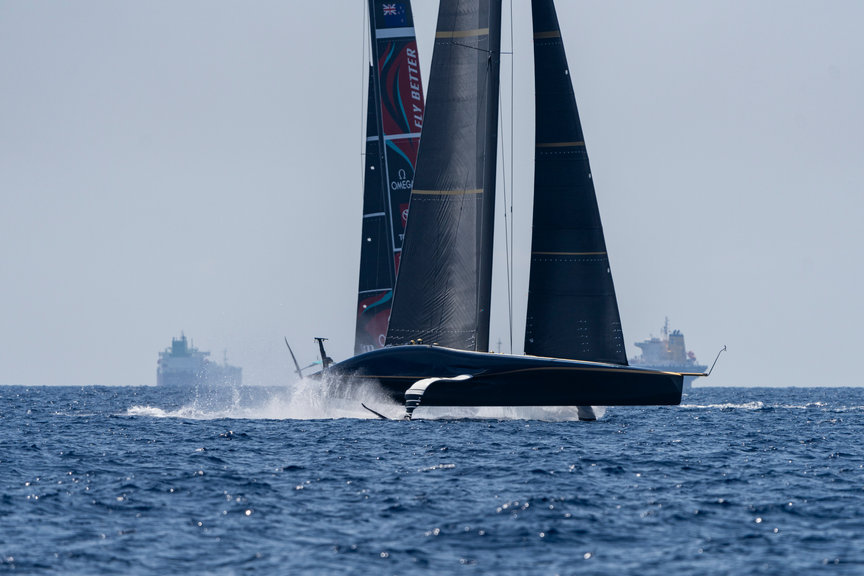
- Emirates Team New Zealand – Defender (New Zealand)
- GB1 (Athena Racing) – Challenger of Record (Great Britain)
- Luna Rossa Prada Pirelli (Italy)
- Tudor Team Alinghi (Switzerland)
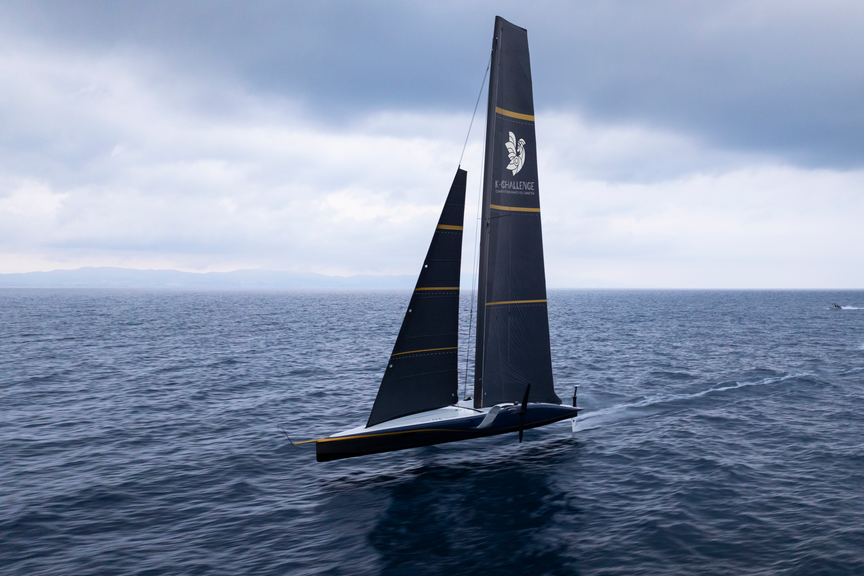
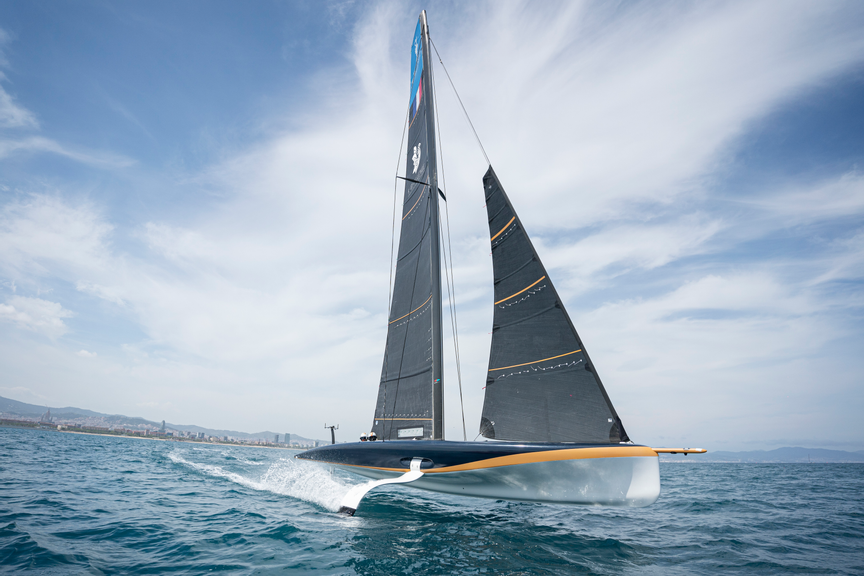
- K-Challenge (France)
The entry window has been extended until 31 March 2026, leaving the door open for additional challengers to join the competition.
Competition Format
_Preliminary Regattas
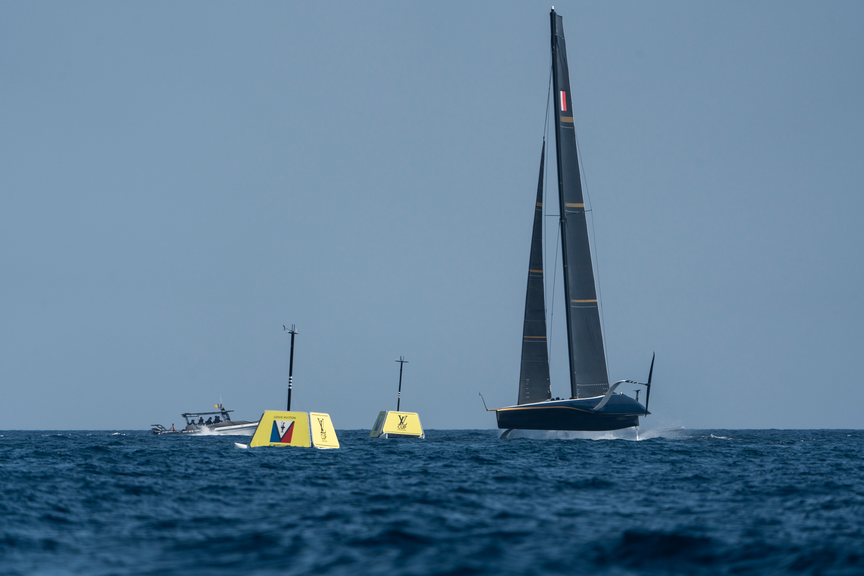
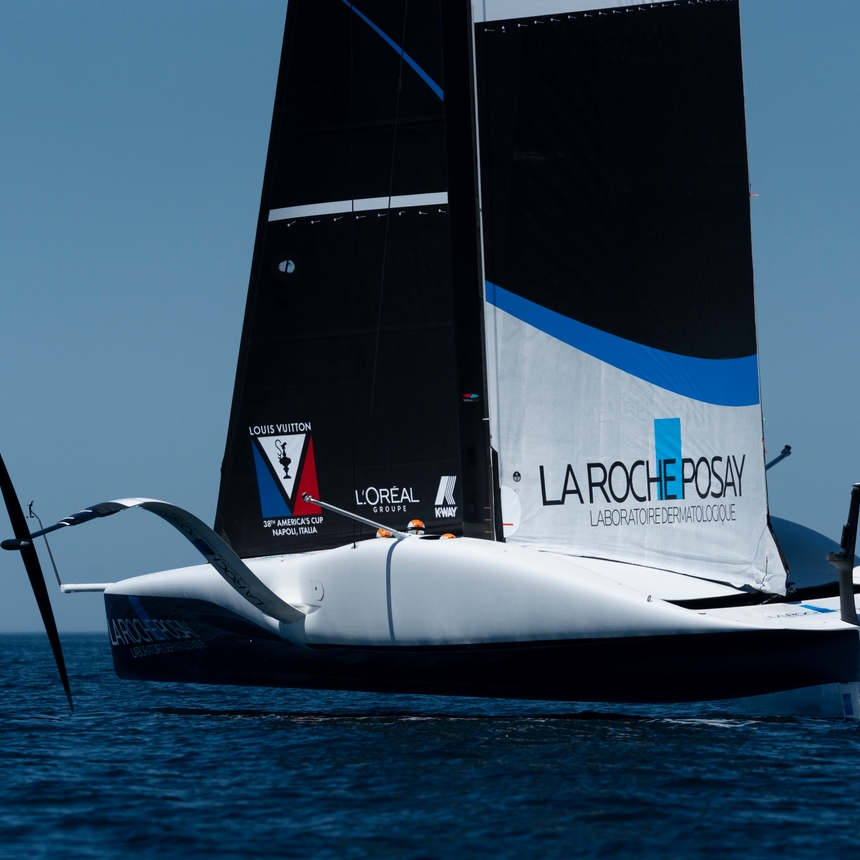
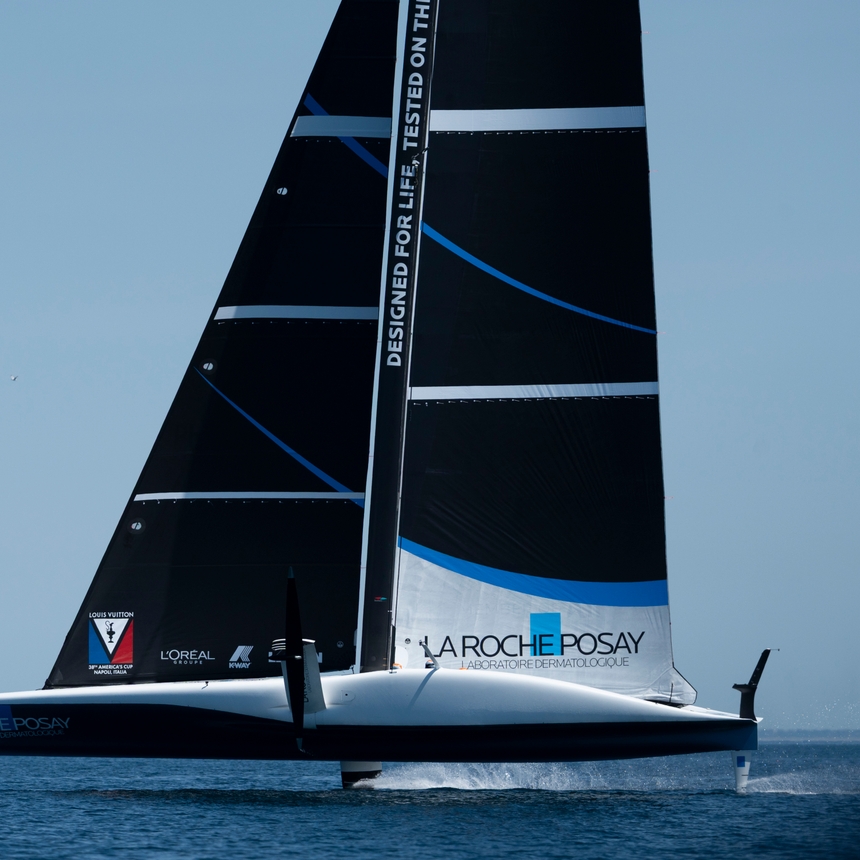
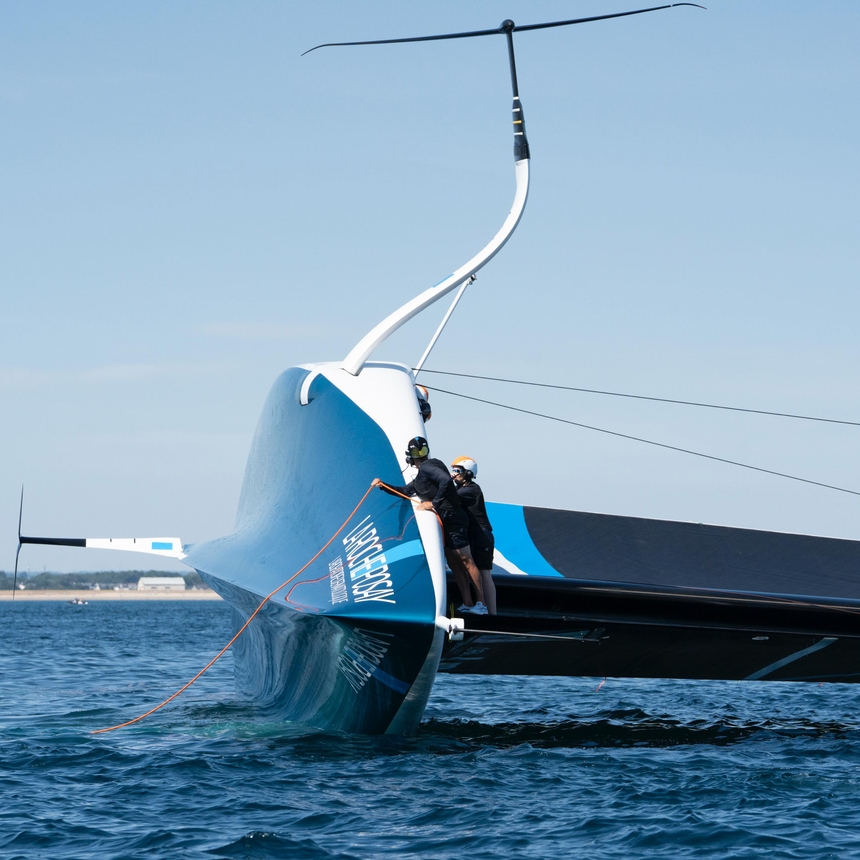
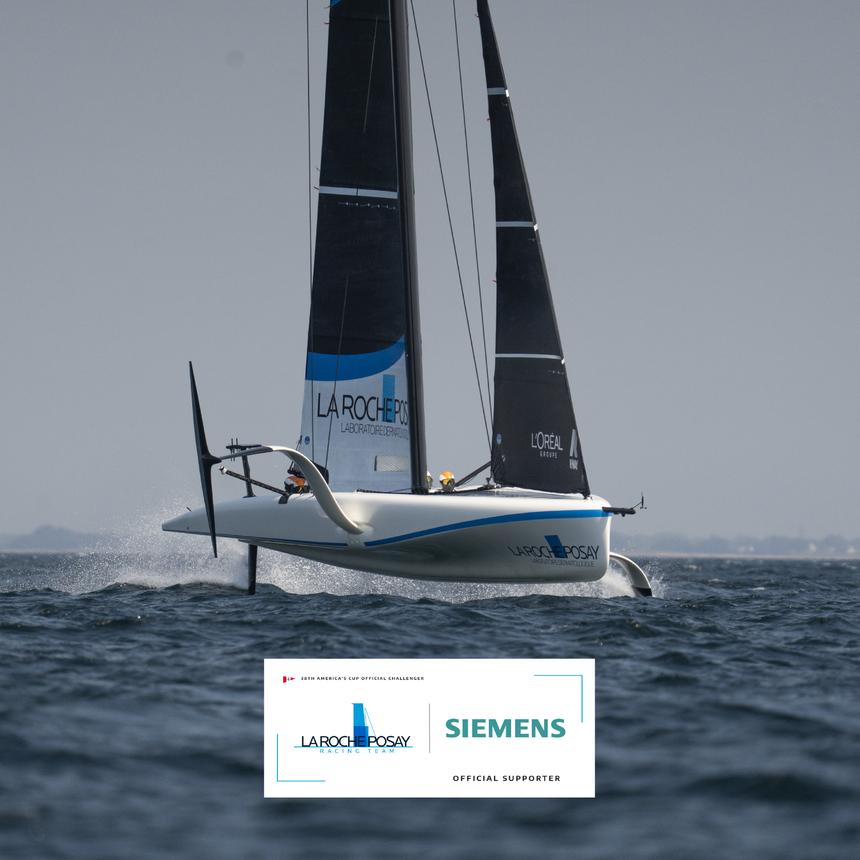
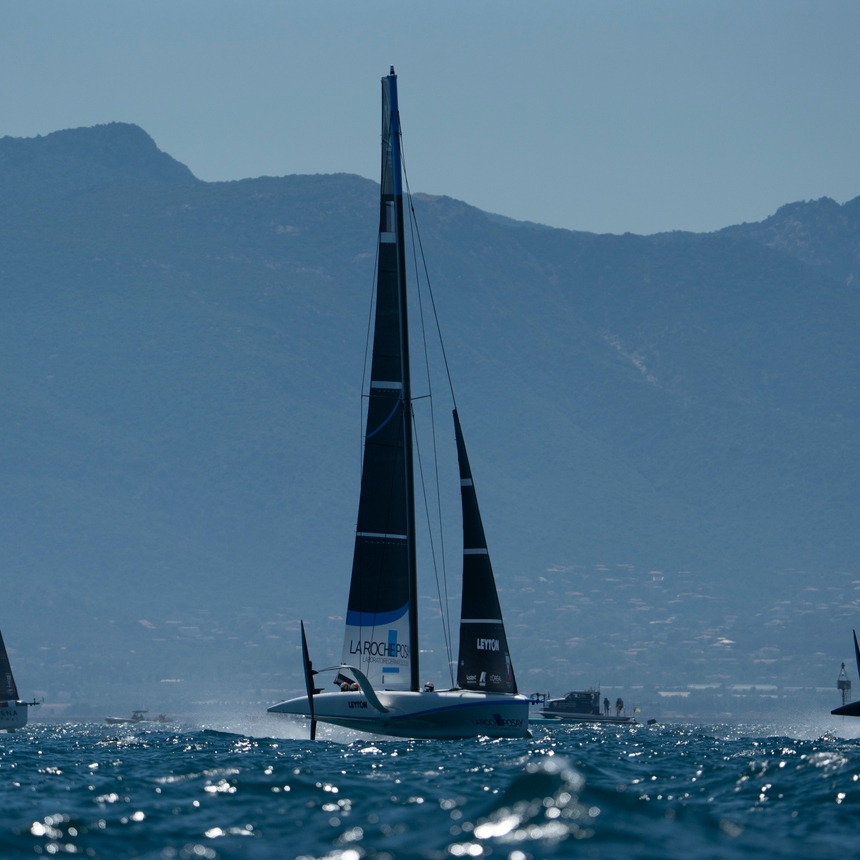
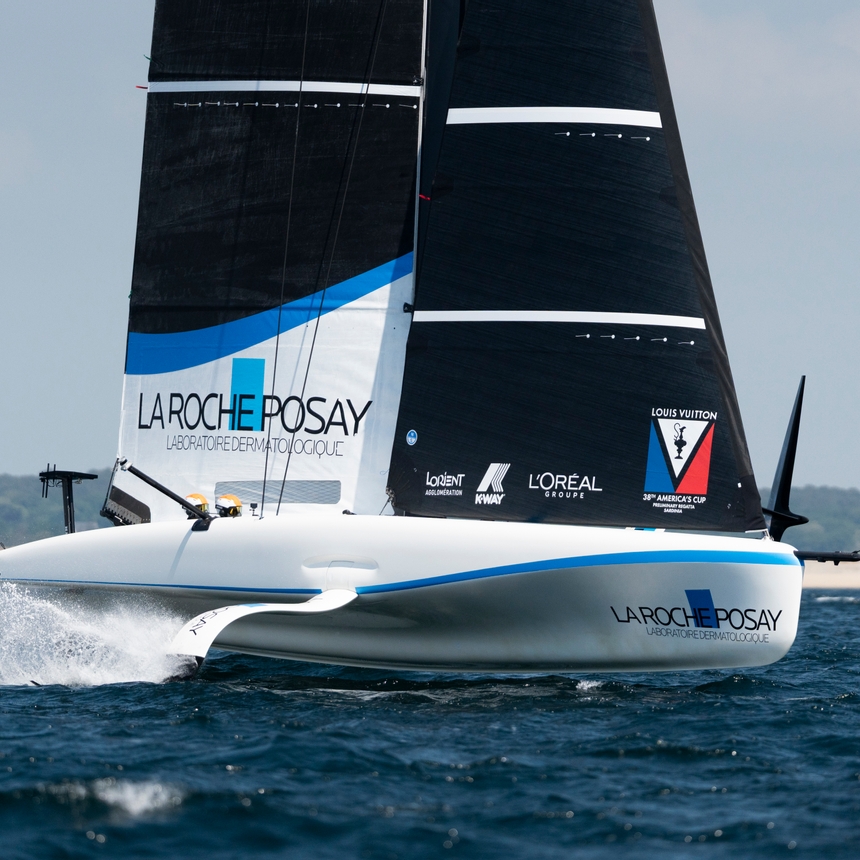
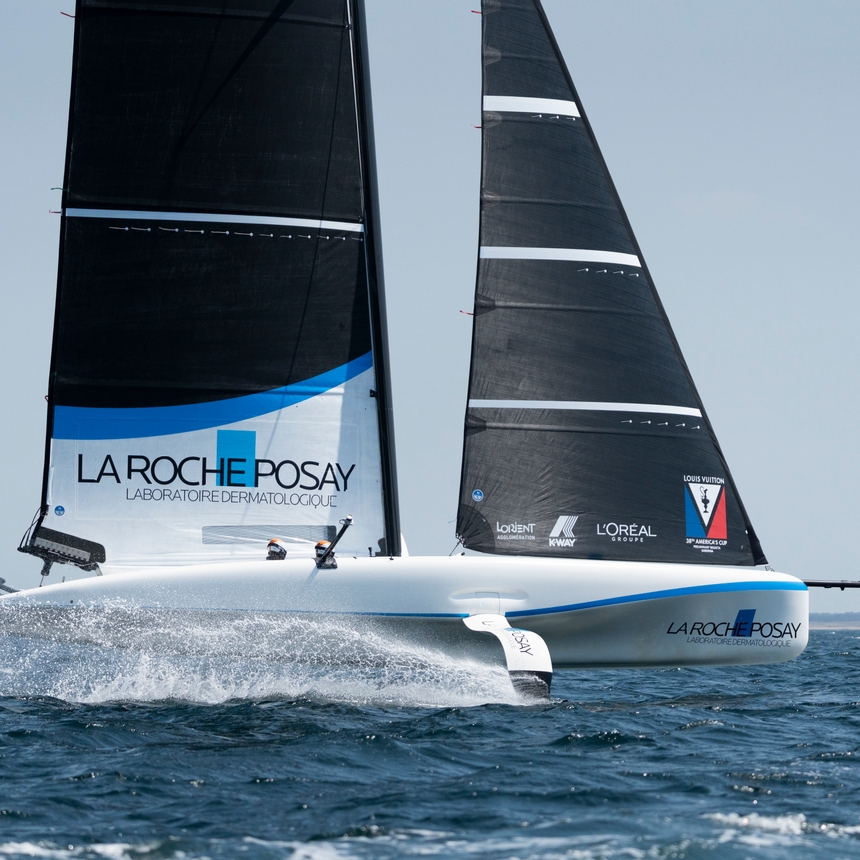
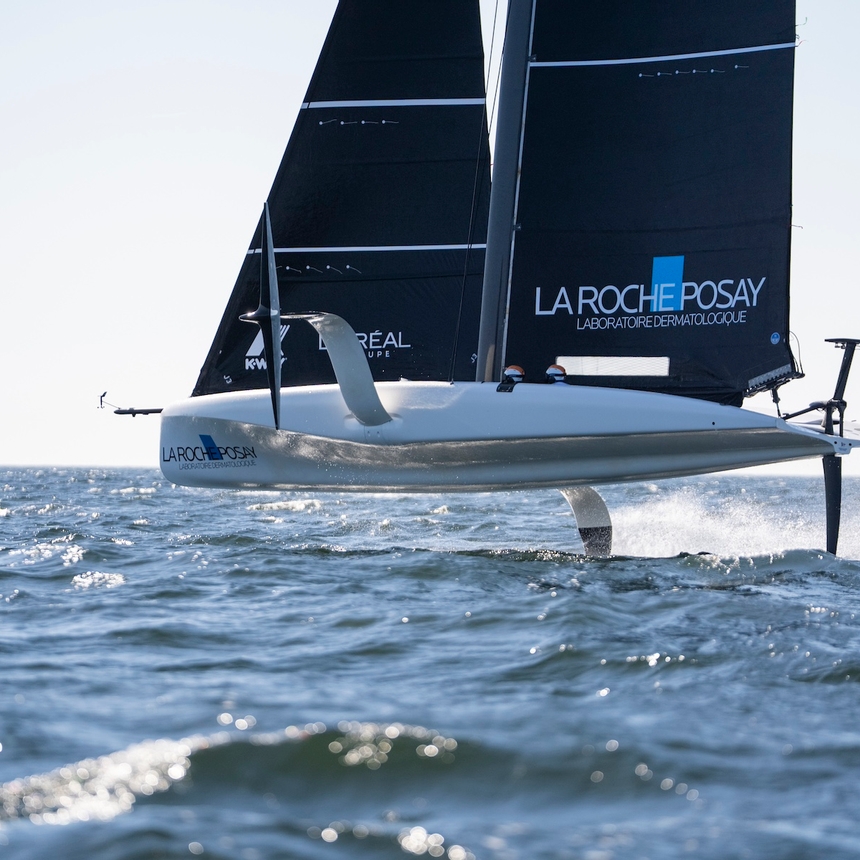
A series of qualifying regattas will take place across 2026 and 2027, raced in the AC40 foiling catamaran.
Each team is permitted to campaign two AC40s: one primary boat and a second dedicated to Women’s and Youth teams.
_Louis Vuitton Cup
The Louis Vuitton Cup serves as the Challenger Selection Series.
The challengers race against one another for the right to face the Defender, Emirates Team New Zealand, in the final Match.
_America’s Cup Match
The America’s Cup Match will be a head-to-head contest between the Defender and the winning Challenger. (The number of races required to win the Cup will be confirmed by the ACP.)
What’s new compared to previous editions?
A new governance model – The America’s Cup Partnership (ACP)
For the first time in the Cup’s 175-year history, all participating teams have united within a shared governance and commercial structure known as the America’s Cup Partnership (ACP).
This new framework places the event under collective authority, rather than being led solely by the Defender.
Key innovations:
> Equal governance: each founding team holds a board seat and an equal vote, replacing the traditional Defender-centric model.
> A stable biennial cycle: the Cup will now operate on a defined and regular calendar, providing greater planning certainty for teams, sponsors and partners.
> Centralised commercial structure: the ACP manages media rights, sponsorship and the overall commercial growth of the event.
> Budget cap: for the 38th edition, a spending cap of approximately €75 million per team has been introduced, promoting greater sustainability and accessibility for new challengers.
> Greater inclusion: expanded opportunities for Women’s and Youth teams, notably through the AC40 platform.
The America’s Cup Partnership (ACP)
What is it?
The America’s Cup Partnership represents a new chapter in the history of the America’s Cup. It is a long-term governance and commercial entity that brings the competing teams together within a single strategic framework.
Its objectives are clear:
- To ensure long-term stability and visibility for the competition;
- To establish fair governance, where each team has both a voice and shared responsibility;
- To enhance the commercial and media appeal of the event through a structured, transparent and sustainable platform for partners, sponsors and investors.
Why is this such a significant turning point?
The ACP marks a historic evolution in the organisation of the America’s Cup. Traditionally driven by the Defender, the competition now adopts a collaborative and modern model built on a shared strategic vision.
This transformation strengthens the institutional credibility of the event, secures its long-term development, and creates a more stable environment for the entire ecosystem — teams, commercial partners, host venues and fans alike.
With the ACP, the America’s Cup is no longer simply the oldest trophy in international sport; it becomes a benchmark for sustainable and shared governance in elite competition.